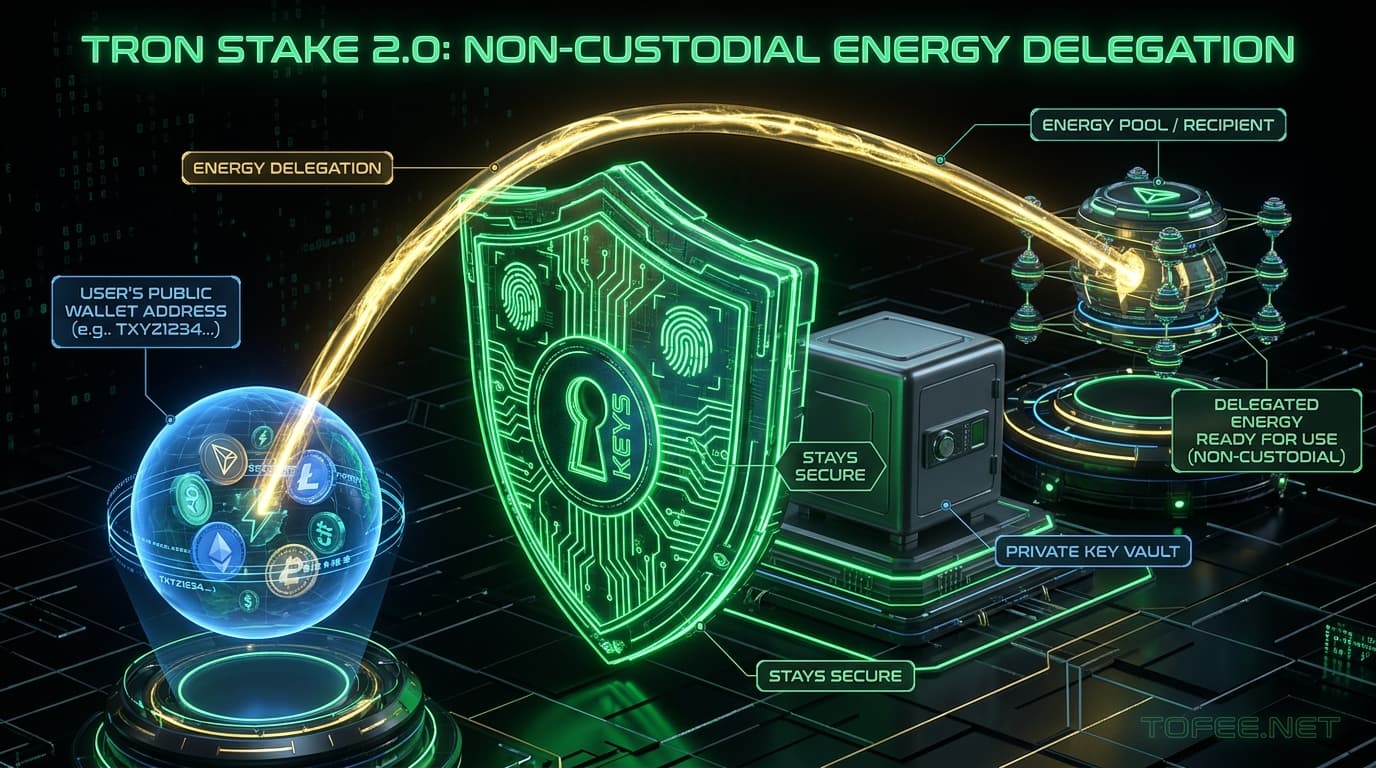
TRON Energy Fixed Recharge Addresses: The Complete Setup Guide
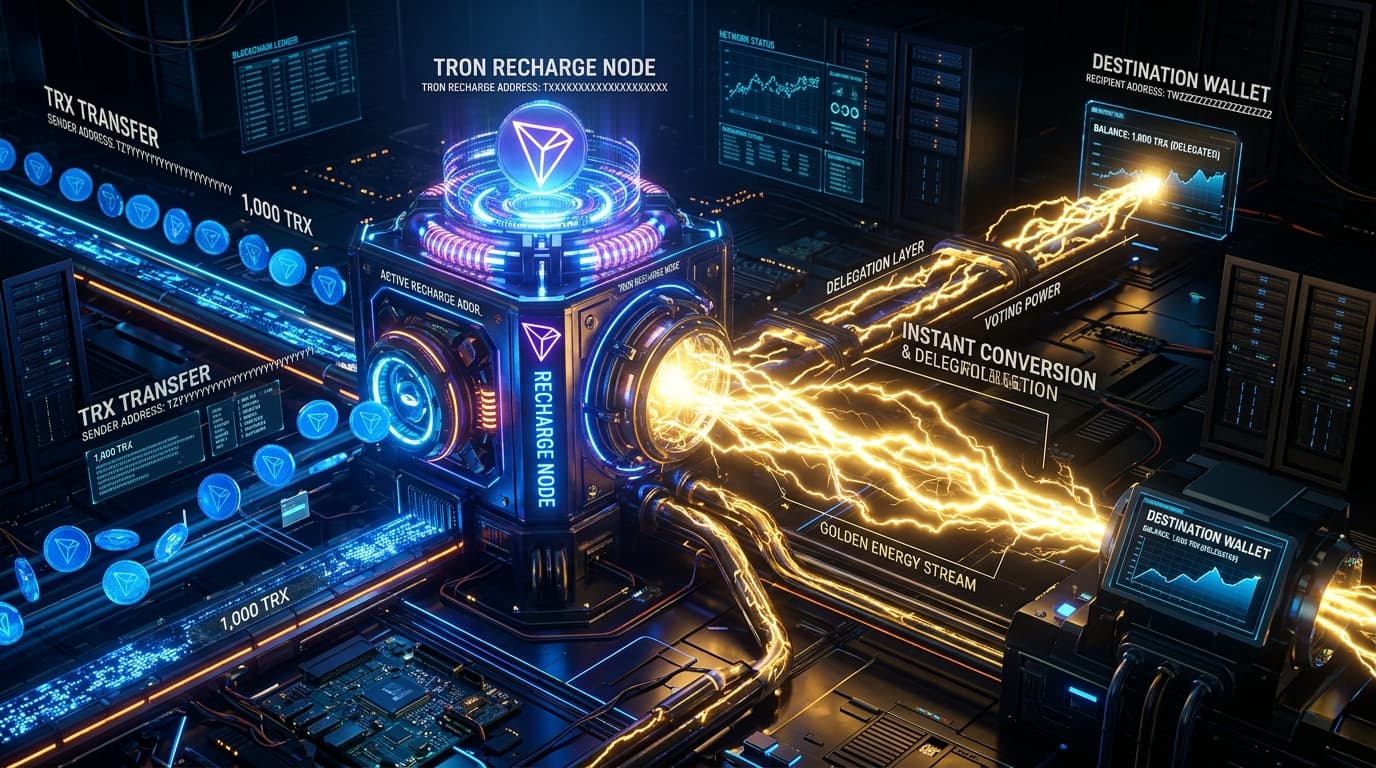
Learn how TRON energy fixed recharge addresses automate non-custodial energy delegation. A complete setup, API integration, and sizing guide for businesses and developers.
Deep-dive architectural breakdowns, TVM opcode mechanics, Stake 2.0 delegation tutorials, and enterprise gas optimization strategies.

Learn how TRON energy fixed recharge addresses automate non-custodial energy delegation. A complete setup, API integration, and sizing guide for businesses and developers.

Is renting TRON energy safe? Learn how TRON's non-custodial Stake 2.0 delegation protects private keys, how to spot rental scams, and how to verify delegations on TronScan.

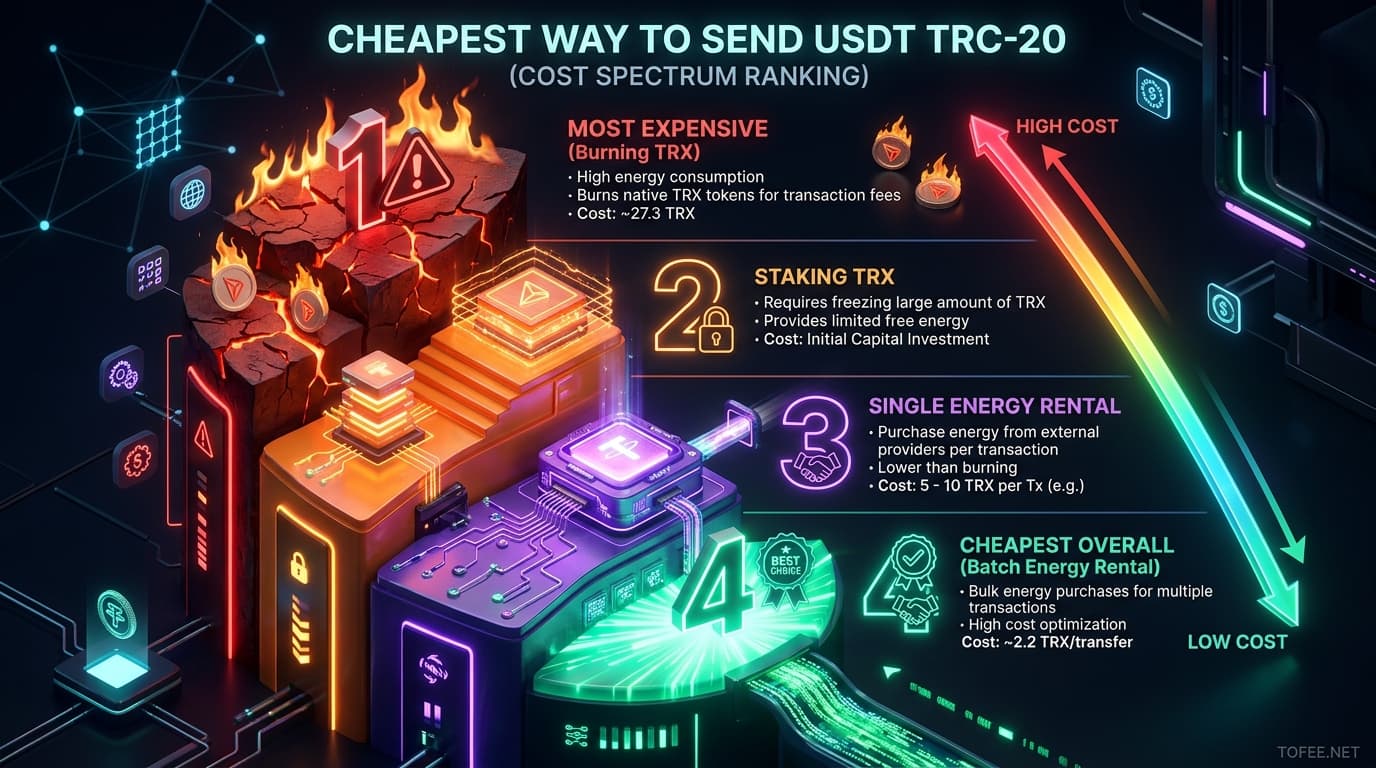
Discover 7 proven methods to reduce TRON transaction fees immediately. From non-custodial energy rental to batch transfers and API automation.

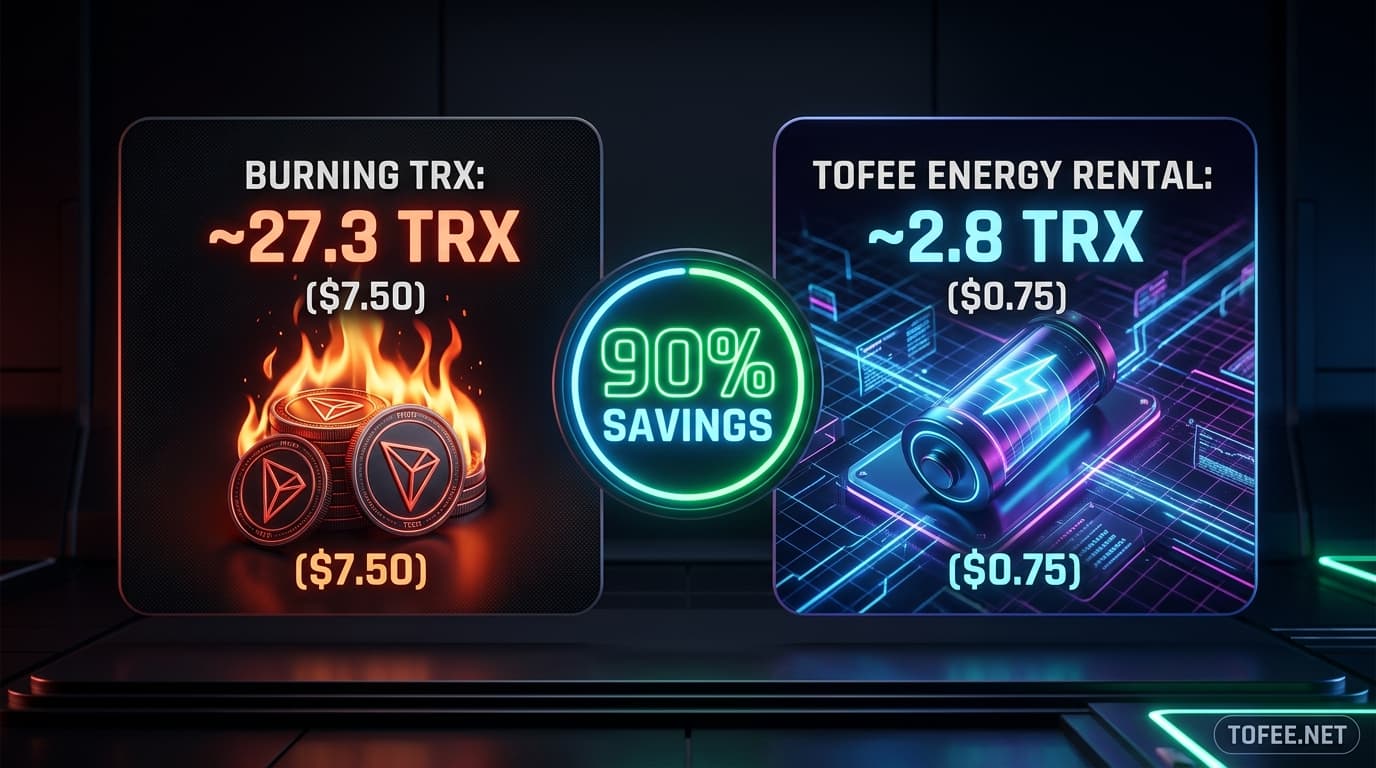
Compare renting TRON energy versus burning native TRX for TRC-20 USDT transfers. Detailed cost breakdowns, annual savings projections, and break-even math.

Calculate exact TRON energy requirements for USDT TRC-20 transfers, DEX swaps, and smart contract calls. Avoid burn penalties with precise sizing.

How to compare and select a TRON energy rental platform. Evaluate delivery speed, non-custodial security, pool liquidity, and API features.

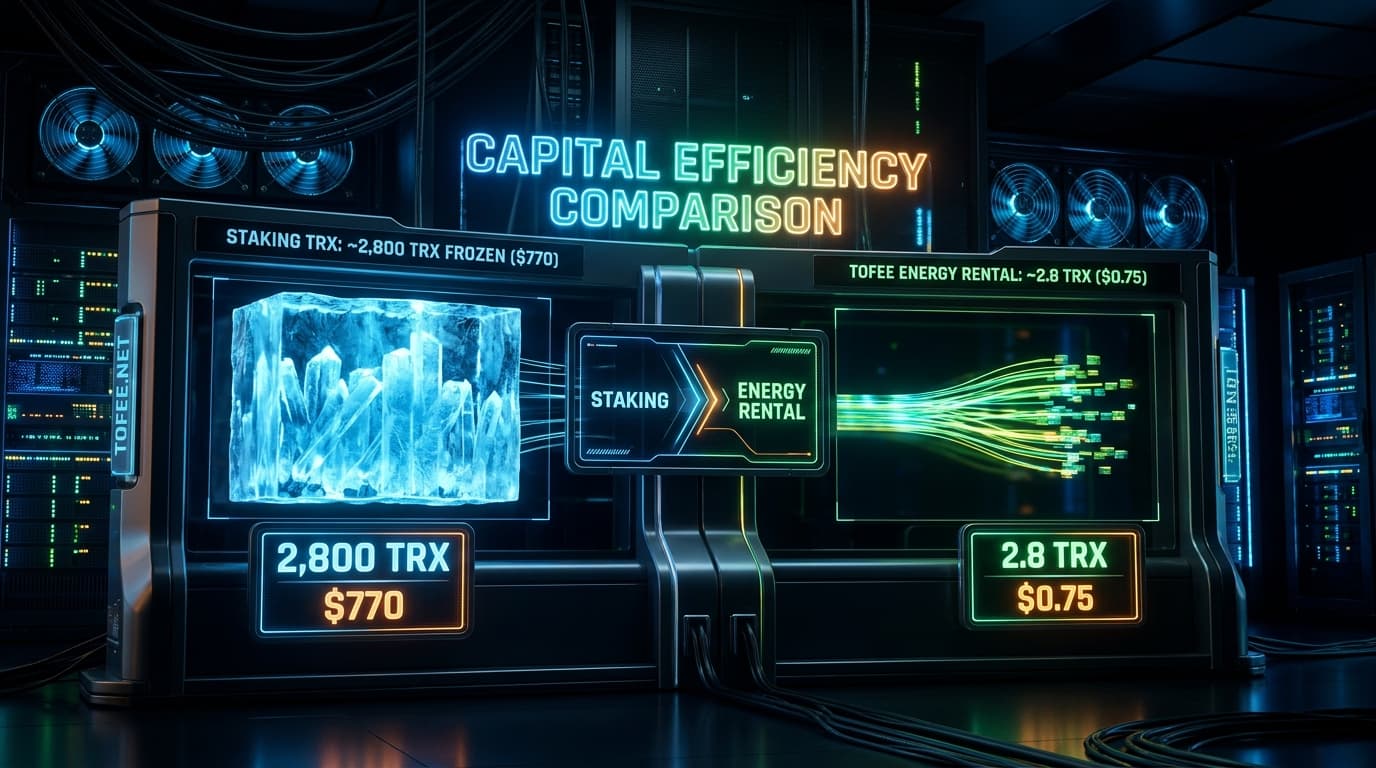
Compare TRON energy rental vs staking TRX for TRC20 USDT transfers. Analyze capital requirements, Stake 2.0 14-day lockup timelines, and opportunity costs.

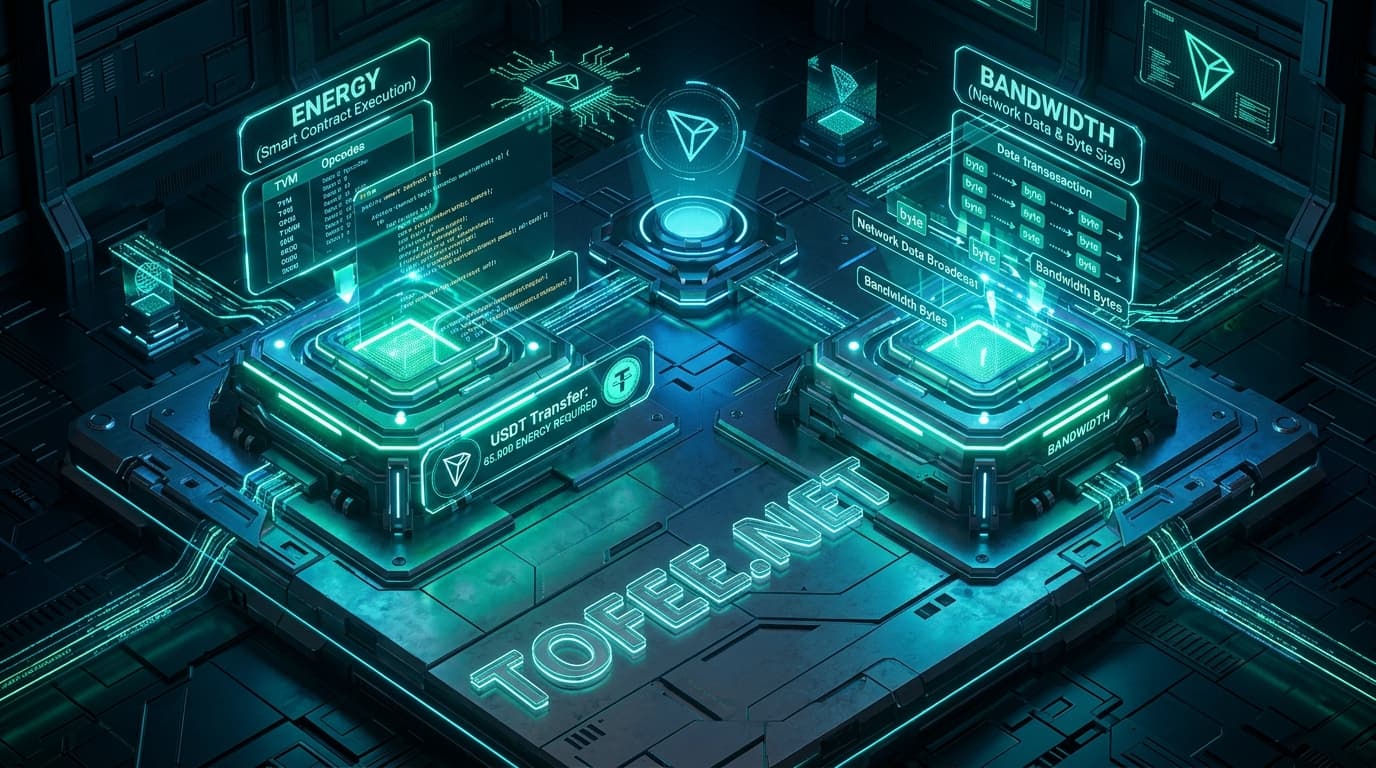
TRON Energy vs Bandwidth compared: understand daily free quotas, transaction byte sizes, smart contract execution costs, and burn rate mechanics.

A comprehensive technical guide to the TRON Resource Model. Learn how TRON Energy works, TVM opcode computation, burn rates at 420 SUN, and 24-hour regeneration cycles.

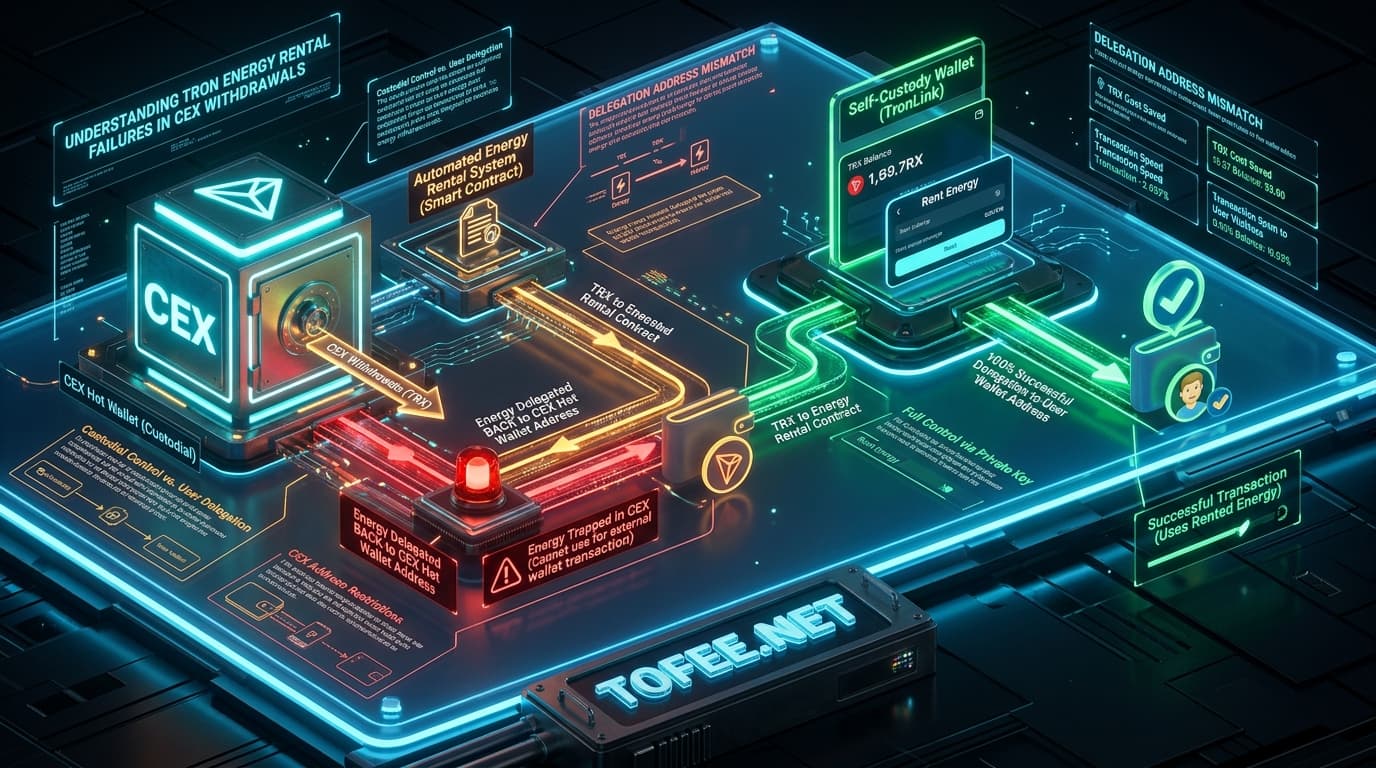
Discover why withdrawing TRX directly from centralized exchanges like Binance or OKX to an energy rental address fails, and learn the correct self-custody workflow.

Why did TRC20 USDT transfer fees increase? Discover the 5 root causes: new address storage slot writes, Dynamic Energy Model, staking dilution, and TRX price appreciation.